

by Principal Sarah Mwaura and students
Field trips provide hands-on learning and helps students see, hear, and experience knowledge in real-life situations.

Examples of Field Trips and Lessons Learned
- Kisumu Port: Observed cargo handling. Understood transport, trade, and Lake Victoria’s economic importance.
- Kaimosi Tea Factory: Saw tea processing firsthand. Learned about agriculture, science, and business.
- Kaimosi University: Visited lecture halls and interacted with students. Inspired students to take academics seriously and think about their future.
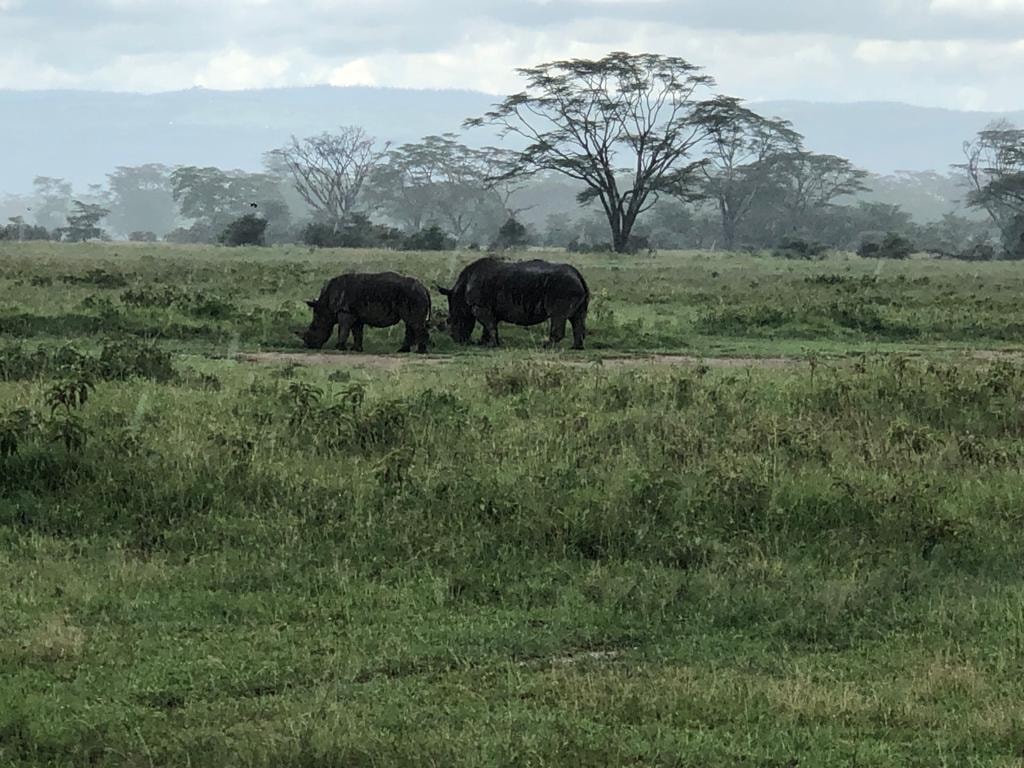
- Nakuru National Park: Saw wildlife like rhinos, flamingos, and lions. Learned about conservation, biology, and geography. Gained awareness of environmental responsibility.
Overall Value of Field Trips
- Encourage exposure to new places and ideas.
- Teach teamwork, culture, and environmental appreciation.
- Connect school learning to the real world.
- Motivate students and prepare them for life beyond school.
In conclusion field trips are powerful educational tools, not just fun outings. Field trips will continue to be used for knowledge and future growth.
Meet Blessing Joy Cherotich, who reflects on recent field trips.
Good morning teachers, fellow students, and distinguished guests, My name is Blessing Joy Cherotich. I’m honoured to speak about something that brings learning to life — the importance of field trips to a Kenyan high school student.

Geography students tour George Williamson tea estates at Kaimosi
Education is not just about what we learn in books or what the teacher writes on the blackboard. Sometimes, the best lessons are learned when we step outside the classroom. That’s exactly what field trips allow us to do — to see, hear, touch, and experience the world of knowledge in real time. Let me give you some real examples.
When we visited Kisumu Port, we didn’t just talk about transport and trade in Geography — we saw it happening. We saw cargo being loaded and offloaded. We understood the importance of Lake Victoria to our economy and the daily lives of people living around it.
When we went to Kaimosi Tea Factory, Agriculture became more than a subject. We observed how tea is processed — from the green leaves in the field to the final product packed for market. We appreciated the science, labour, and business behind every cup of tea we drink.
 Our visit to Kaimosi University opened our eyes to what lies ahead after high school. We walked through lecture halls, interacted with university students, and saw ourselves in their shoes. That experience motivated many of us to take our studies more seriously because we realized that the future is within reach.
And who could forget our adventure to Nakuru National Park? We didn’t just learn about wildlife in books — we saw rhinos, flamingos, lions, and zebras up close. We appreciated Kenya’s natural beauty and the importance of conservation. That trip taught us not just biology and geography, but responsibility — the responsibility to protect our environment.
Field trips like these give us exposure — they allow us to discover new places, new ideas, and even new dreams. They teach us teamwork, as we travel and learn with our classmates. They help us understand and appreciate our culture and environment. And most importantly, they prepare us for life after school by connecting education to the real world.
In conclusion, field trips are not just a break from routine — they are powerful learning tools that inspire, educate, and transform. As Kenyan students, we are lucky to live in a country with so much to see and learn from. Let us continue to take full advantage of field trips to build not just our knowledge, but our future. Thank you, and may God bless you.
Another student stated the following:
 A visit to Kisumu port opened up my mind as a student. Since my birth I had never seen a ship on Lake Victoria. I have only been reading about it from papers and books. I really admired the submarine engineer who was taking us around inside the ship. We were able to learn a lot of things that may be perhaps I couldn’t in my life time. When we visited the Impala Animals Sanctuary, I saw a buffalo, giraffe, ostrich, lion among many other animals. Later we went to Kisumu Museum where we were able to be taken through the traditional artifacts that enriched history we just learned in class. We were able to observe and critically analyze some artifacts that were used by early people. According to me academics tour enriches the mind because it supplements what we learned in class.
Help a class go on a field trip, or help a girl go to school (Click Here to Donate).
